
"Would you have known?" Does flexibility training really make us more efficient?
Perhaps, as part of your fitness routine, you’ve already wondered whether dynamic stretching, yoga, or Pilates offer tangible performance benefits—or whether they simply take up precious time in your already packed workout schedule. A scientific review has explored this issue in depth and offers interesting insights for your daily training.
What Does “Mobility” Actually Mean?
At the heart of the matter is the distinction between two concepts that are often confused: flexibility and mobility. While flexibility simply describes the extent to which muscles and soft tissues can stretch passively, mobility refers to the active ability to move joints in a stable, coordinated manner using one’s own muscle strength throughout the entire range of motion. Simple stretching is rarely sufficient in sports, as only the harmonious interaction between elasticity, muscle strength, and core stability allows one to effectively utilize the full range of motion.
What did the study analyze?
A total of 22 studies were evaluated for the systematic review. Participants ranged from young prospects to college and elite athletes from a wide variety of sports, including soccer, volleyball, rugby, gymnastics, cross-country skiing, and powerlifting. The researchers examined interventions based on dynamic stretching, combined stretching programs, yoga, Pilates, and dance exercises.
Study Results at a Glance
The results speak for themselves: in 20 of the 22 studies, mobility training led to an increase or, at the very least, a reliable maintenance of current performance levels. Compared to standard training alone or static stretching alone, mobility sessions yielded significantly better results, and in no case was there a decline in performance.
The benefits were particularly evident in jumps and sprints. Two out of three studies demonstrated clear advantages of dynamic warm-ups over static stretching in terms of jump power. In short-distance sprints ranging from 4.5 to 35 meters, the training prevented the losses in speed that occurred in groups that did not stretch or underwent standard training. Furthermore, nearly two-thirds of the studies that precisely measured range of motion found significant improvements in key areas such as the hips, knees, and spine.
Why Methods Like Yoga and Pilates Help
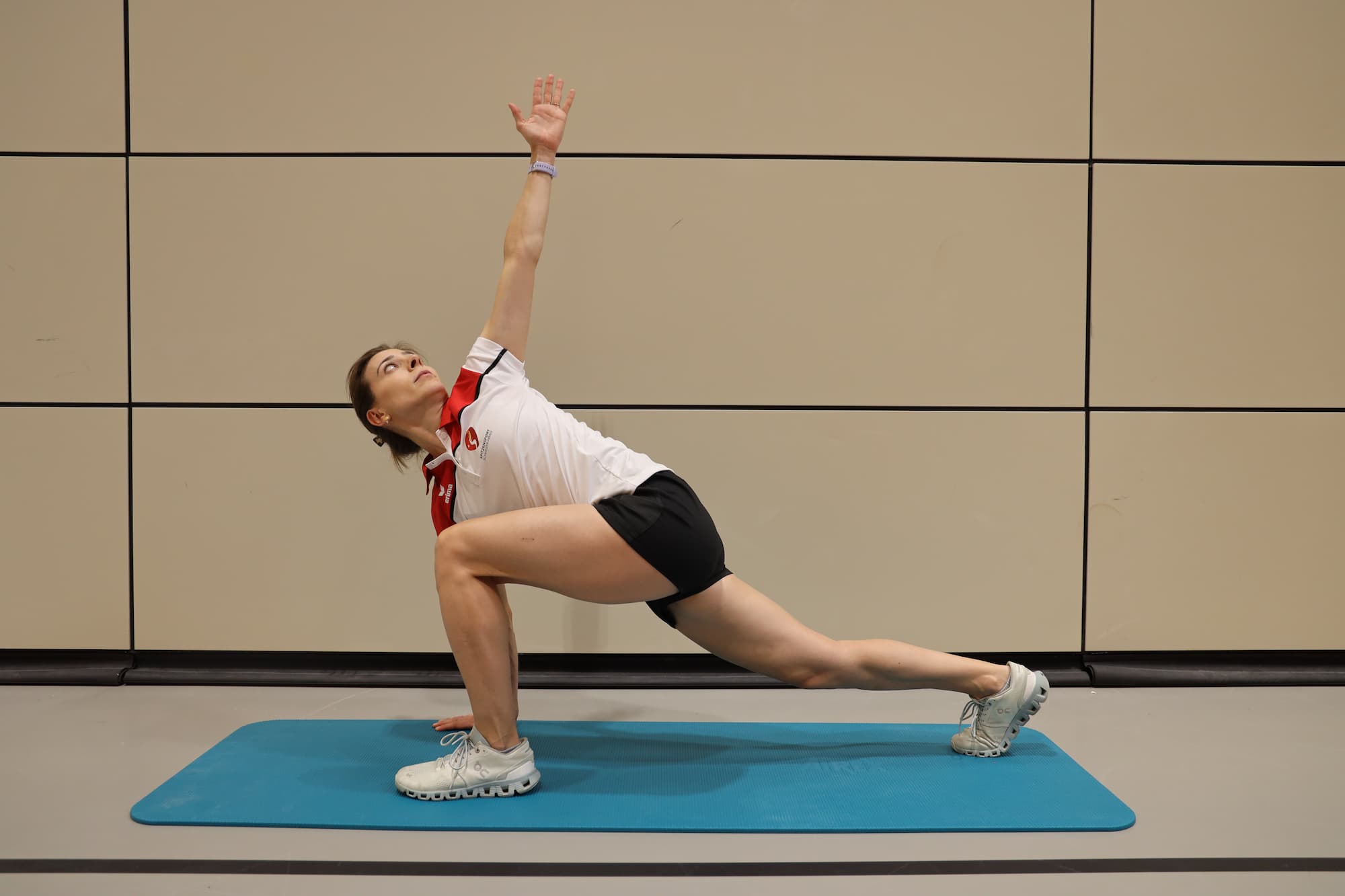
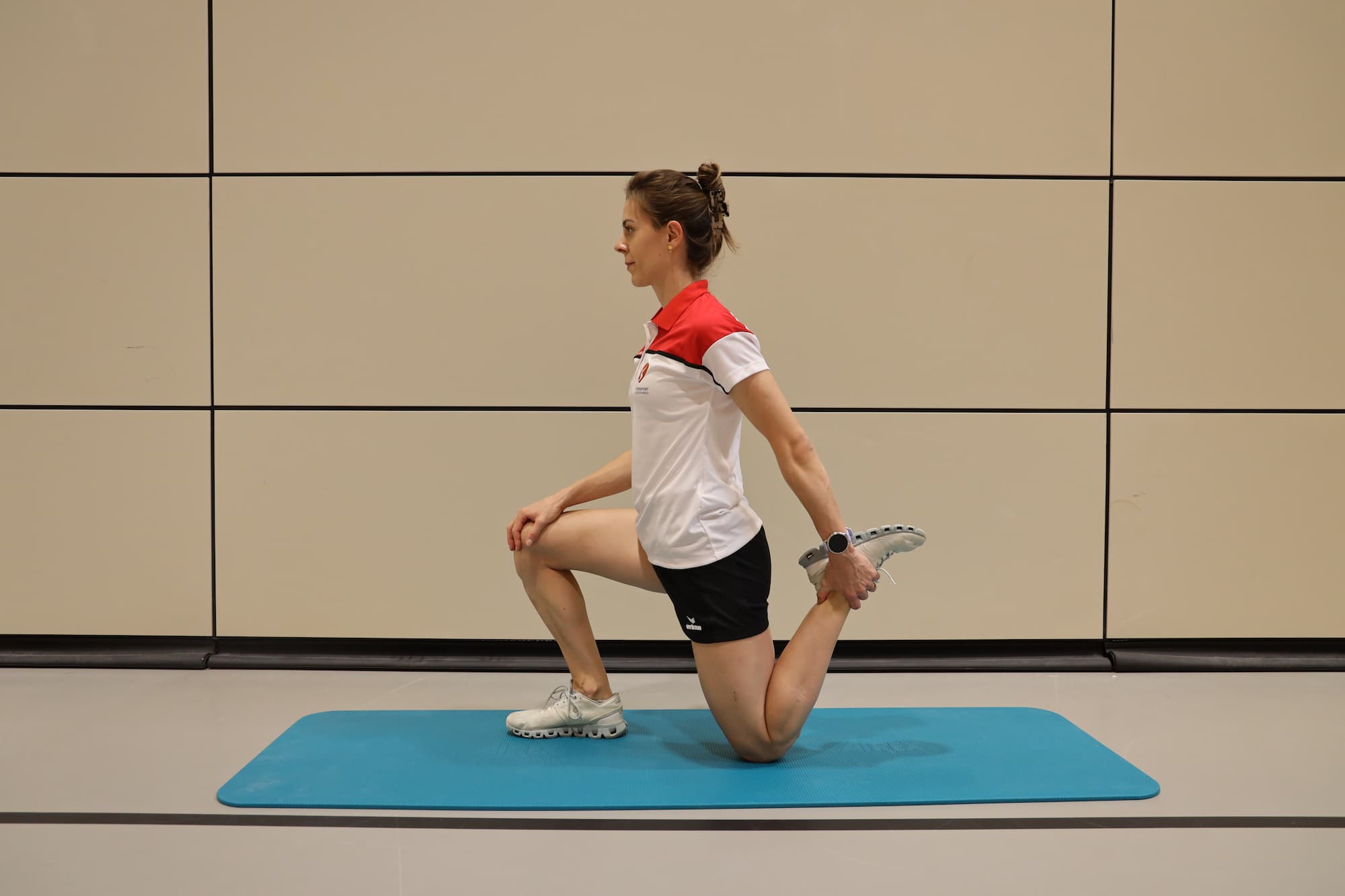
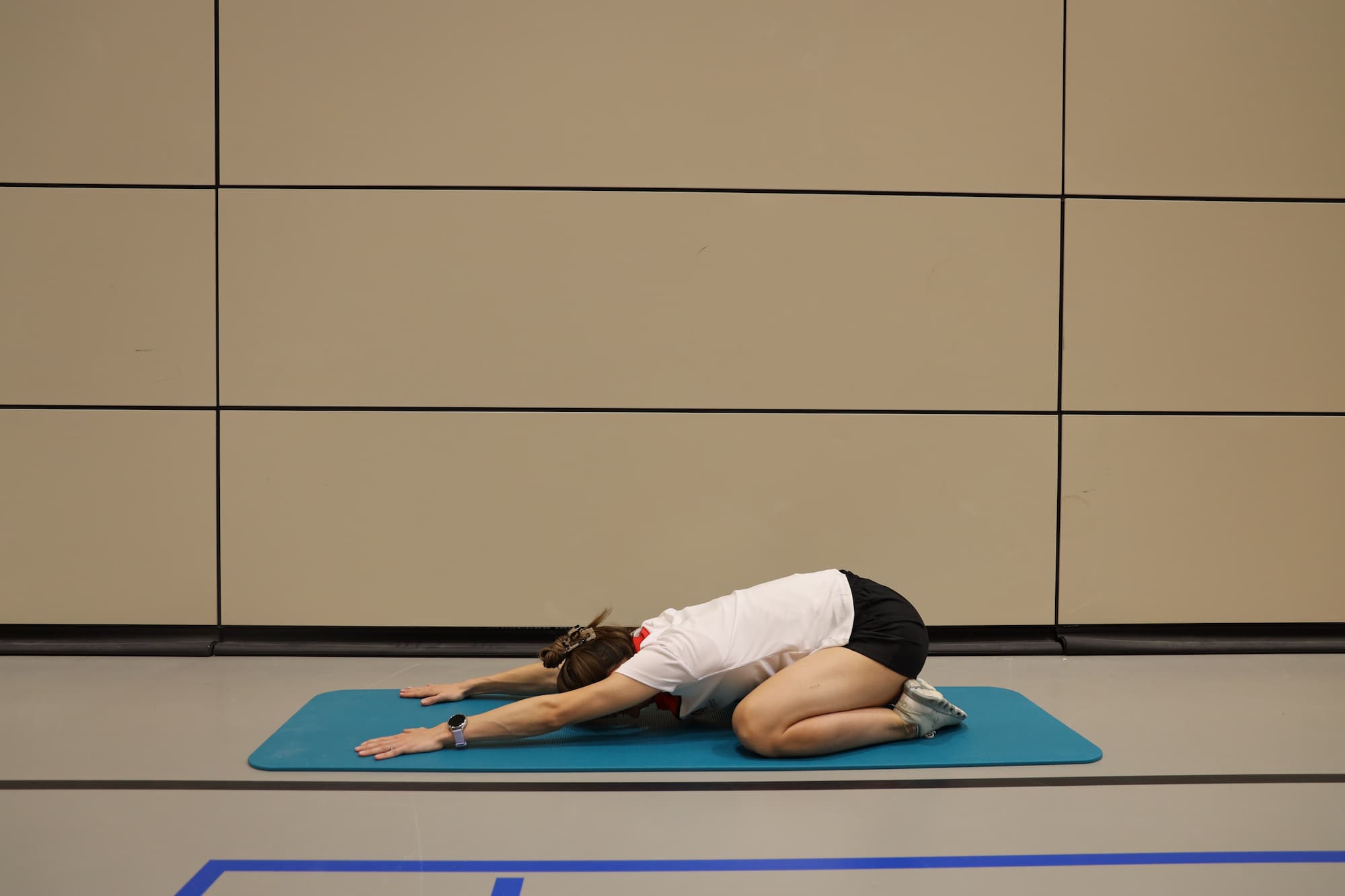
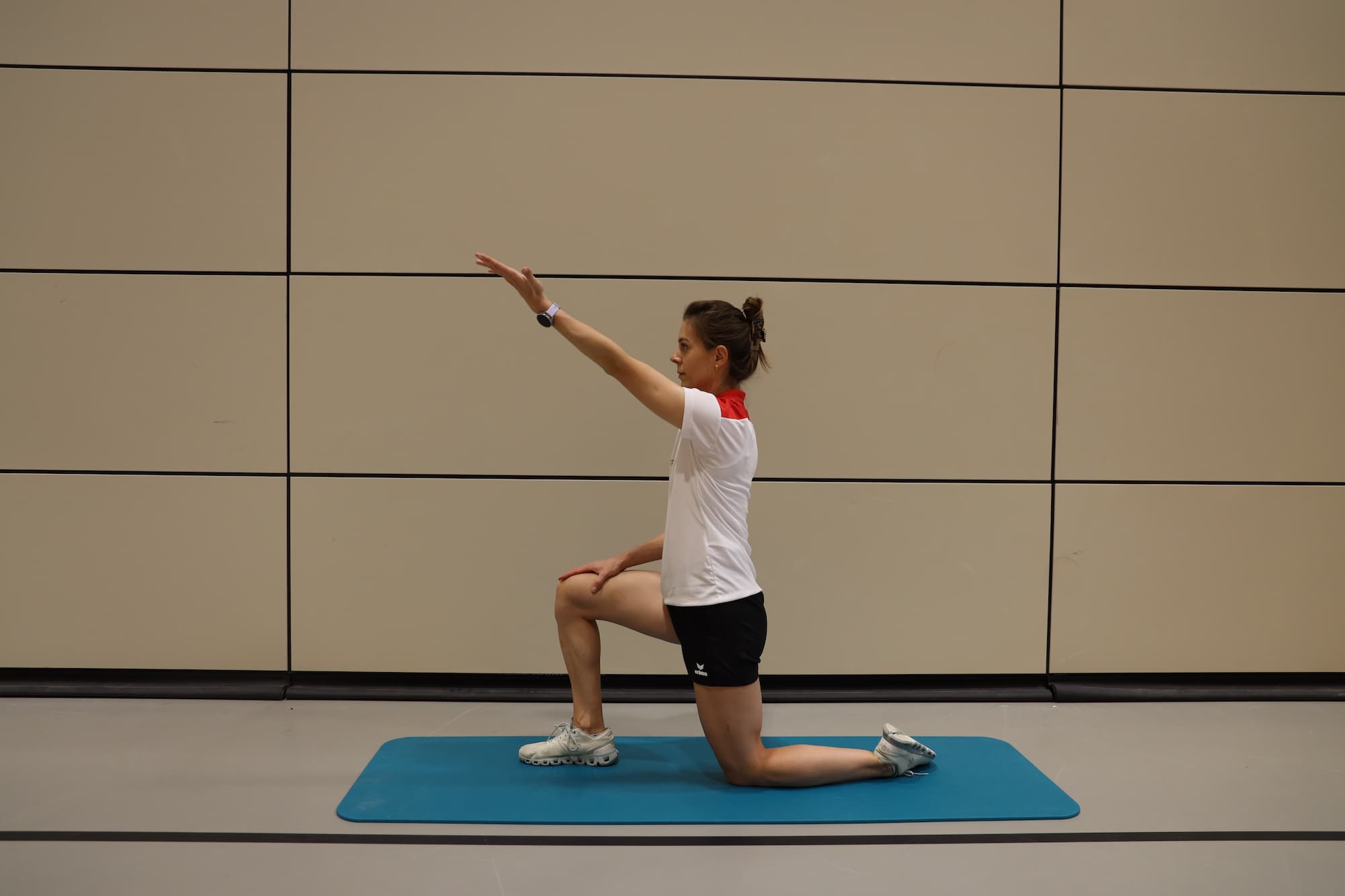
The reason these disciplines work so well lies in their specific movement patterns. Exercises that mobilize the thoracic spine facilitate the transmission of force along the body’s entire kinetic chain, while active movement patterns fully utilize the range of motion of the hip joint. Just how crucial this is was demonstrated by a study conducted on female softball players: those who gave up yoga during an intense competitive season experienced, on average, a measurable loss in stride length and knee extension.
Conclusions for Training Practice
Targeted work on movement does not hinder performance at all, but rather promotes the harmonious interaction between strength, speed, and balance. Shorter sessions, up to 15 minutes, can be ideally incorporated as a dynamic component of your regular warm-up or cool-down. Longer sessions, ranging from 20 to 80 minutes, of yoga or Pilates are perfect as a standalone complementary workout on recovery days.
So get in shape, become stronger and more agile—and try some mobility exercises today!
Related links:
Primary source: Full article: Application of mobility training methods in sporting populations: A systematic review of performance adaptations