
"Would you have known?" Persevere or give up – what your personality has to do with exercise
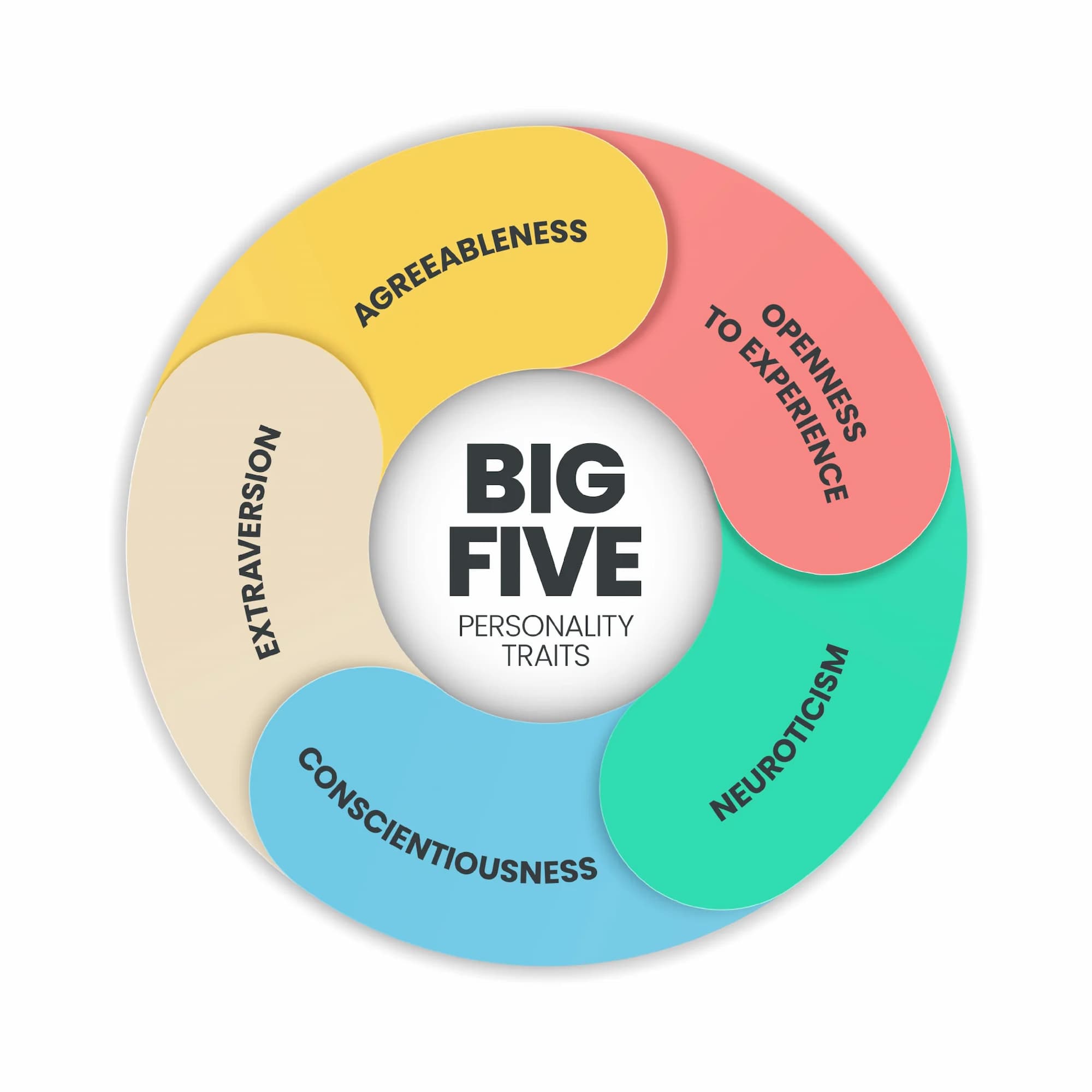
Whether we take up sport or hang up our running shoes depends not only on time or discipline – but also, to a large extent, on our personality. In a large meta-analysis involving over 28,000 adults from nine long-term studies, researchers observed, over a period of up to ten years, who managed to make the transition from inactivity to an active lifestyle and who gave up an active lifestyle again. The researchers compared this trajectory with the classic five dimensions of personality.
Why go-getters, explorers and bundles of energy stay on the ball
People who are open to new experiences, particularly conscientious or sociable (Agreeableness/Openness), are best placed to lead an active lifestyle in the long term. Those who are naturally well-organised and determined (Conscientiousness) reliably fit training sessions into their daily routine and are more likely to follow exercise recommendations. This leads to a noticeably higher likelihood of taking up sport in the first place, whilst also helping to prevent people from giving it up later on.
The situation is similar for sociable and energetic people (Extraversion): they often draw their motivation from the dynamism, the enjoyment of being active and the shared experience with others, which makes it much easier for them to get started and keep going. Curious people also benefit (Openness), as they enjoy trying out new sports, seek variety and are less likely to get bored by routine.
The need for harmony helps to alleviate worries and stress
People who are particularly cooperative and seek harmony perform surprisingly well. Because getting on well with others is important to them and they take social recommendations more seriously, they often find it easy to get involved in the movement through group activities and remain loyal to it. The situation is quite different for people who are prone to inner restlessness, anxiety or a high sensitivity to stress (Neuroticism). They are significantly less likely to take up exercise, whilst the risk of them giving up prematurely rises noticeably. There are often tangible obstacles behind this: fears of injury, uncertainty when faced with unfamiliar physical demands, or a bodily sensation in which normal exertion is quickly interpreted as unpleasant or painful.
What this means for our everyday lives
There is no exercise programme that works equally well for everyone. If you know your own personality, you can take targeted action: organised people need fixed appointments in their diaries; sociable people thrive in teams or group classes; and those who tend to worry benefit most from a particularly safe, familiar and accessible introduction without any pressure to perform.
Find out what personality type you are and discover, amongst the wide range of Sportify options, the one that perfectly suits your character and will keep you enjoying it in the long term!
Find out what personality type you are: Personality
Primary source: Personality and change in physical activity across 3-10 years - PubMed